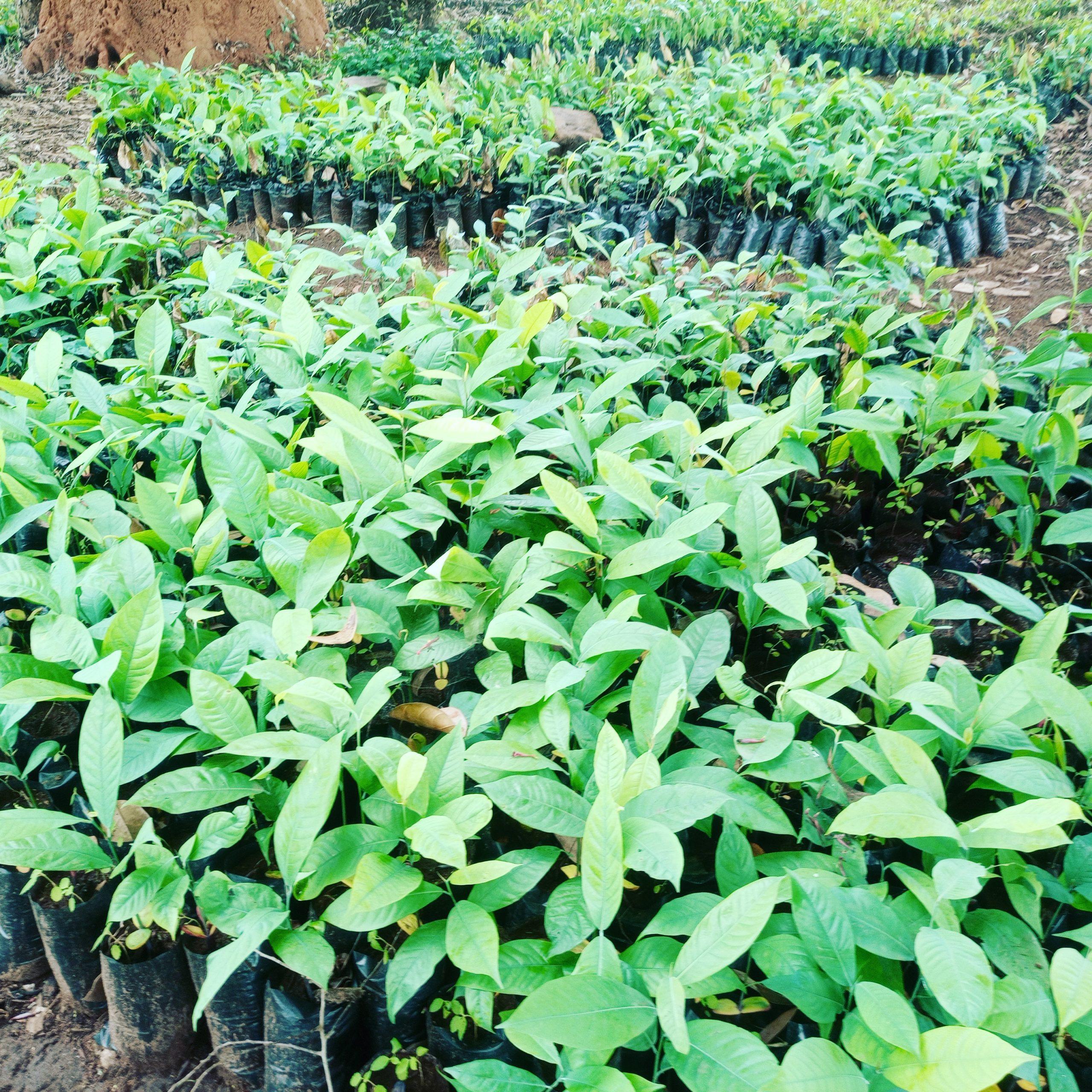
Irvingia wombulu (ogbono) seedling
V-0ZIJY · No reviews yet
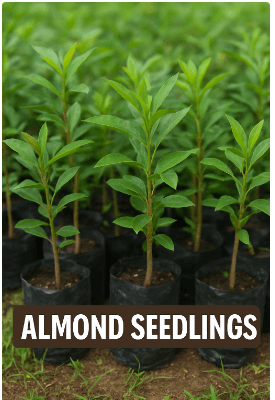
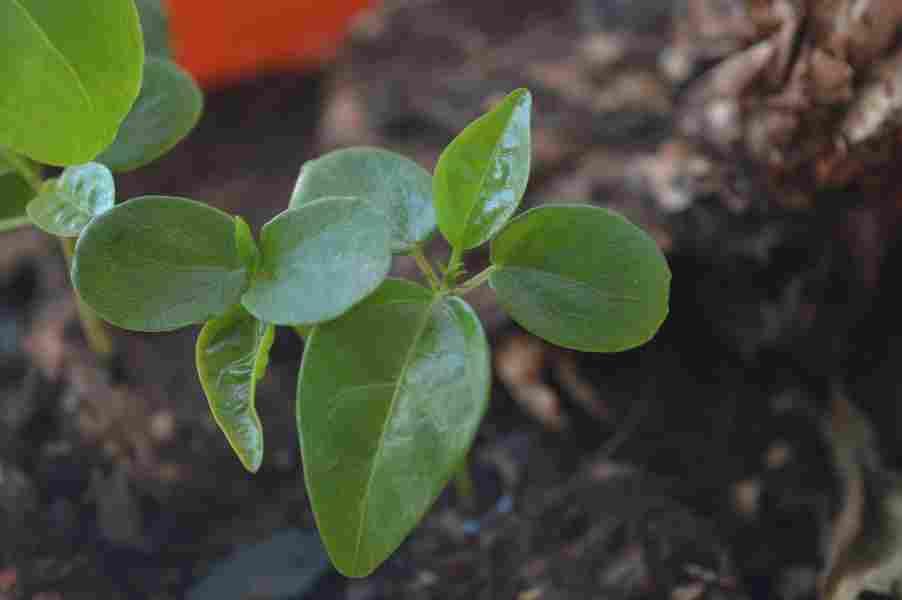
The Irvingia wombulu (ogbono) seedling grows into a large tree with a dense evergreen crown and large buttresses. The simple leaves are asymmetrical and glossy on the upper surface. It has bisexual flowers that are yellow to pale greenish and are borne in small clusters.
The fruit is a large edible drupe with thick fibrous flesh. They are notable for their edible yellow fruit.
Make your purchase now!
If you are busying in hundreds or thousands, it comes at a discount
1188
UNCATEGORIZED
Plant Seedlings
₦ 2,500
Product description
Irvingia wombulu (ogbono) seedling grows into a tree species that originated from Africa. Other common names for ogbono are bush mango, wild mango or odika.
One thing about this plant is that it is versatile, that is, its fruits, nuts, seeds, and bark can be used for culinary, manufacturing, cosmetic, and medicinal purposes.
Features of Ogbono
- The Irvingia wombulu (ogbono) seedling becomes a large tree with a dense evergreen crown and large buttresses.
- The simple leaves are asymmetrical and glossy on the upper surface.
- The bisexual flowers are yellow to pale greenish and are borne in small clusters.
- Irvingia wombulu (ogbono) seedling matures and fruits in three years
- At maturity, its fruit is a large edible drupe with thick fibrous flesh.
- They are notable for their edible yellow fruit.
- The seed kernels are commonly roasted like coffee beans, then pounded and poured into a mold before being added to boiling meat and vegetables.
- The seeds are also used to adulterate chocolate and ground to make flour. The fat is extracted from the seeds for soap and candlemaking.
Some Benefits of Irvingia wombulu (ogbono)
- Edible Purposes. Irvingia gabonensis fruit can be eaten as fresh fruit. …
- Antidiabetic Properties. …
- Weight Management. …
- Antibacterial and Antifungal Properties. …
- Dye Production. …
- Prevents Constipation. …
- Aids Digestion. …
- Astringent Purposes.
Highlights
Shipping
Local pick-up2 – 4 days
Office pick-up3 days
Product description
Irvingia wombulu (ogbono) seedling grows into a tree species that originated from Africa. Other common names for ogbono are bush mango, wild mango or odika.
One thing about this plant is that it is versatile, that is, its fruits, nuts, seeds, and bark can be used for culinary, manufacturing, cosmetic, and medicinal purposes.
Features of Ogbono
- The Irvingia wombulu (ogbono) seedling becomes a large tree with a dense evergreen crown and large buttresses.
- The simple leaves are asymmetrical and glossy on the upper surface.
- The bisexual flowers are yellow to pale greenish and are borne in small clusters.
- Irvingia wombulu (ogbono) seedling matures and fruits in three years
- At maturity, its fruit is a large edible drupe with thick fibrous flesh.
- They are notable for their edible yellow fruit.
- The seed kernels are commonly roasted like coffee beans, then pounded and poured into a mold before being added to boiling meat and vegetables.
- The seeds are also used to adulterate chocolate and ground to make flour. The fat is extracted from the seeds for soap and candlemaking.
Some Benefits of Irvingia wombulu (ogbono)
- Edible Purposes. Irvingia gabonensis fruit can be eaten as fresh fruit. …
- Antidiabetic Properties. …
- Weight Management. …
- Antibacterial and Antifungal Properties. …
- Dye Production. …
- Prevents Constipation. …
- Aids Digestion. …
- Astringent Purposes.
Highlights
Shipping
Local pick-up2 – 4 days
Office pick-up3 days