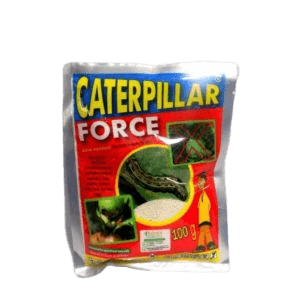
Caterpillar Force (Non-Systemic Insecticide | 100g
V-02EG7 · No reviews yet
We offer Caterpillar Force which is a non-systemic insecticide for the control Lepidoptera pests on vegetables, beans, cowpea, soybean, cotton, fruits and other crops.
- The product is effective against lepidopteran pests including various species of moths and butterflies.
- Caterpillar Force is an Insect Growth Regulator which kills insects by stomach poisoning and contact poisoning.
- Active Ingredient in the product is emamectin benzoate 5 % WDG.
We deliver nationwide.
2484
UNCATEGORIZED
Plant Production and Protection
₦ 3,500
Product description
Caterpillar Force
We offer Caterpillar Force which is a non-systemic insecticide for the control Lepidoptera pests on vegetables, beans, cowpea, soybean, cotton, fruits and other crops. Caterpillar Force is an Insect Growth Regulator which kills insects by stomach poisoning and contact poisoning.
The product will have minimal effect on your crops as it is a non-systemic agricultural pesticide that penetrates leaf tissues by translaminar movement. It paralyzes the Lepidopteran insects, which stops feeding within hours of ingestion and die 2-4 days after treatment.
- Active Ingredient: Emamectin Benzoate 5 % WDG.
- Family: Avermectin.
- Packaging: 100 g / 100 pieces / carton.
Lepidopteran Pests
Lepidoptera (moths and butterflies) are the second most diverse pest insects after beetles. There is hardly any cultivated plant that is not attacked by at least one lepidopteran pest. As pollinators of many plants, adult moths and butterflies are usually beneficial insects that feed on nectar using their siphoning proboscis. The caterpillar, however, almost always has chewing mouthparts that are suitable for feeding on various parts of a plant causing production losses. Most caterpillars are defoliators or miners of succulent plant tissues.
- Some (for example wood moths) can cause gum pockets and introduce rot resulting in timber degrade. They bore large holes in stems which can leave smaller trees susceptible to wind damage.
- They can be severe pests of seedlings in the nursery (for instance cutworms or armyworms) which can cause partial to complete defoliation and bending of the seedlings.
- Many species of lepidopteran pests can cause outbreaks in certain plants, causing a significant drop in yield and economic losses.
Importance of insecticides in crop production
Insecticides are chemicals that destroy or inhibit specific developmental stages of insects. They play a vital role in an Integrated Pest Management plan.
Food crops must compete with up to 3,000 species of worms and 10,000 species of plant-eating insects. The threats by these pests do not stop when crops leave fields because they can still cause great nuisance and damage in storage. This shows the pertinent need for specific chemicals that can deal with these pests while prolonging the life of crops and preventing post-harvest losses.
- Insecticides help farmers grow more food on less land by protecting crops from insects and their developmental stages.
- Use of insecticides will serve to increase the productivity per hectare.
- They enable farmers to produce safe, quality foods at affordable prices.
- They also help farmers to provide an abundance of nutritious, all-year-round food which is necessary for human health.
- Insecticides decrease exposure to food contaminated with harmful micro-organisms and naturally occurring toxins, preventing food-related diseases.
Highlights
Shipping
Local pick-up2 – 4 days
Office pick-up3 days
Product description
Caterpillar Force
We offer Caterpillar Force which is a non-systemic insecticide for the control Lepidoptera pests on vegetables, beans, cowpea, soybean, cotton, fruits and other crops. Caterpillar Force is an Insect Growth Regulator which kills insects by stomach poisoning and contact poisoning.
The product will have minimal effect on your crops as it is a non-systemic agricultural pesticide that penetrates leaf tissues by translaminar movement. It paralyzes the Lepidopteran insects, which stops feeding within hours of ingestion and die 2-4 days after treatment.
- Active Ingredient: Emamectin Benzoate 5 % WDG.
- Family: Avermectin.
- Packaging: 100 g / 100 pieces / carton.
Lepidopteran Pests
Lepidoptera (moths and butterflies) are the second most diverse pest insects after beetles. There is hardly any cultivated plant that is not attacked by at least one lepidopteran pest. As pollinators of many plants, adult moths and butterflies are usually beneficial insects that feed on nectar using their siphoning proboscis. The caterpillar, however, almost always has chewing mouthparts that are suitable for feeding on various parts of a plant causing production losses. Most caterpillars are defoliators or miners of succulent plant tissues.
- Some (for example wood moths) can cause gum pockets and introduce rot resulting in timber degrade. They bore large holes in stems which can leave smaller trees susceptible to wind damage.
- They can be severe pests of seedlings in the nursery (for instance cutworms or armyworms) which can cause partial to complete defoliation and bending of the seedlings.
- Many species of lepidopteran pests can cause outbreaks in certain plants, causing a significant drop in yield and economic losses.
Importance of insecticides in crop production
Insecticides are chemicals that destroy or inhibit specific developmental stages of insects. They play a vital role in an Integrated Pest Management plan.
Food crops must compete with up to 3,000 species of worms and 10,000 species of plant-eating insects. The threats by these pests do not stop when crops leave fields because they can still cause great nuisance and damage in storage. This shows the pertinent need for specific chemicals that can deal with these pests while prolonging the life of crops and preventing post-harvest losses.
- Insecticides help farmers grow more food on less land by protecting crops from insects and their developmental stages.
- Use of insecticides will serve to increase the productivity per hectare.
- They enable farmers to produce safe, quality foods at affordable prices.
- They also help farmers to provide an abundance of nutritious, all-year-round food which is necessary for human health.
- Insecticides decrease exposure to food contaminated with harmful micro-organisms and naturally occurring toxins, preventing food-related diseases.
Highlights
Shipping
Local pick-up2 – 4 days
Office pick-up3 days