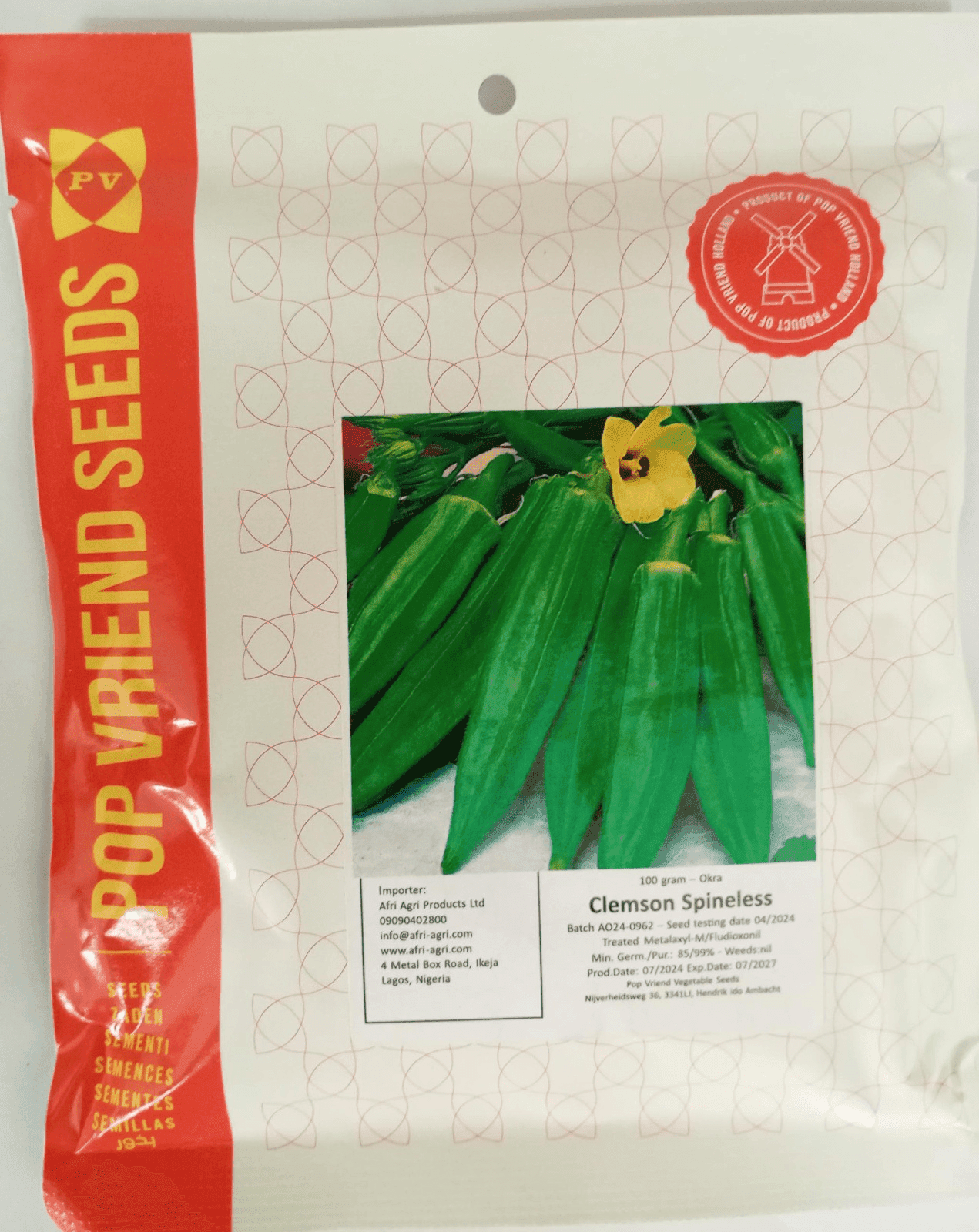
Okra Clemson Spineless | POP VRIEND SEEDS
V-X2BZK · No reviews yet
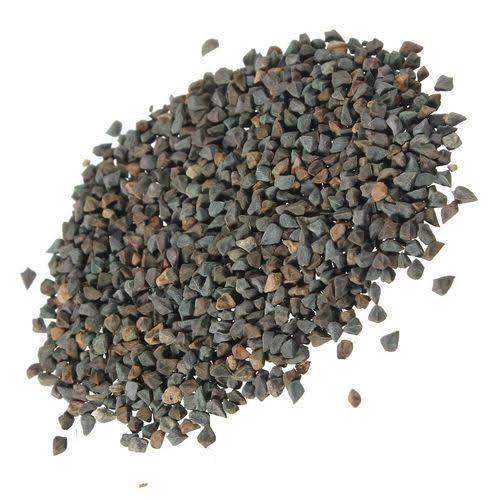
Okra Clemson Spineless is a high-yielding, easy-to-grow variety known for its smooth, tender, and spineless pods. Perfect for warm climates, it grows up to 5 feet tall and produces abundant, flavorful okra ideal for soups, stews, and frying. This award-winning variety is a favorite for home gardeners and farmers alike.
5147
UNCATEGORIZED
UNCATEGORIZED
₦ 8,500
Product description
Okra Clemson Spineless
Okra, a warm-weather vegetable popular in southern cuisine, is known for its edible pods used in gumbo, soups, and stews. Among various varieties, Okra Clemson Spineless stands out as a top choice for gardeners due to its high yield, smooth pods, and ease of care. Whether you're an experienced gardener or a beginner, this guide will provide everything you need to know about planting, growing, and harvesting Clemson Spineless okra for a bountiful harvest.
What is Okra Clemson Spineless?
The Okra Clemson Spineless is an award-winning variety, recognized for its tender pods and smooth texture. It was developed at Clemson University and has been a staple in gardens across the United States since 1939. Here are some key characteristics of Clemson Spineless Okra:
- Botanical Name: Abelmoschus esculentus 'Clemson Spineless'
- Plant Height: 3 to 5 feet tall
- Pod Length: 3 to 5 inches long
- Days to Maturity: 50-60 days
- Climate: Warm-season annual, thrives in full sun
- Yield: High producing with long, tender pods
Why Grow Okra Clemson Spineless?
- Spineless Pods: One of the defining features of Clemson Spineless is its lack of spines, making it easier to harvest without irritating your skin.
- High Productivity: This variety produces a large number of pods per plant, ensuring a generous harvest throughout the growing season.
- Heat and Drought Tolerant: Okra thrives in hot climates, making it perfect for summer gardens in the southern and central U.S. It also tolerates periods of drought once established.
- Nutrient-Rich: Okra is rich in vitamins C, K, and A, as well as dietary fiber, making it a nutritious addition to your meals.
How to Grow Okra Clemson Spineless
Growing Clemson Spineless Okra is straightforward, but understanding its preferred conditions will ensure the best results.
1. Planting Okra Clemson Spineless
- Best Time to Plant: Plant Clemson Spineless okra seeds in the garden after the last frost date, when soil temperatures have warmed to at least 70°F (21°C).
- Soil Requirements: Okra grows best in well-drained, loamy soil with a pH between 6.0 and 6.8. Add compost or organic matter to enrich the soil before planting.
- Spacing: Sow seeds ½ inch deep and space them 12-18 inches apart in rows that are 3-4 feet apart to allow proper air circulation.
2. Caring for Okra Clemson Spineless
- Watering: Water regularly, especially during the flowering and pod-producing stages. Okra prefers deep watering about once a week. Avoid overwatering, which can lead to root rot.
- Mulching: Apply mulch around the base of the plants to retain moisture and suppress weeds.
- Fertilizing: Okra thrives with light feeding. Apply a balanced fertilizer at the time of planting and side-dress with compost or fertilizer during the growing season.
- Pest and Disease Management: Clemson Spineless okra is generally pest resistant. However, watch out for aphids, flea beetles, and stink bugs. Use organic insecticides or introduce beneficial insects like ladybugs.
3. Harvesting Okra Clemson Spineless
- When to Harvest: Okra Clemson Spineless pods should be harvested when they are young and tender, typically when they reach 3-4 inches long. If left on the plant too long, the pods can become tough and fibrous.
- How to Harvest: Use pruning shears or a sharp knife to cut the pods cleanly from the plant. Regular harvesting encourages the plant to produce more pods.
Highlights
Shipping
Local pick-up2 – 4 days
Office pick-up3 days
Product description
Okra Clemson Spineless
Okra, a warm-weather vegetable popular in southern cuisine, is known for its edible pods used in gumbo, soups, and stews. Among various varieties, Okra Clemson Spineless stands out as a top choice for gardeners due to its high yield, smooth pods, and ease of care. Whether you're an experienced gardener or a beginner, this guide will provide everything you need to know about planting, growing, and harvesting Clemson Spineless okra for a bountiful harvest.
What is Okra Clemson Spineless?
The Okra Clemson Spineless is an award-winning variety, recognized for its tender pods and smooth texture. It was developed at Clemson University and has been a staple in gardens across the United States since 1939. Here are some key characteristics of Clemson Spineless Okra:
- Botanical Name: Abelmoschus esculentus 'Clemson Spineless'
- Plant Height: 3 to 5 feet tall
- Pod Length: 3 to 5 inches long
- Days to Maturity: 50-60 days
- Climate: Warm-season annual, thrives in full sun
- Yield: High producing with long, tender pods
Why Grow Okra Clemson Spineless?
- Spineless Pods: One of the defining features of Clemson Spineless is its lack of spines, making it easier to harvest without irritating your skin.
- High Productivity: This variety produces a large number of pods per plant, ensuring a generous harvest throughout the growing season.
- Heat and Drought Tolerant: Okra thrives in hot climates, making it perfect for summer gardens in the southern and central U.S. It also tolerates periods of drought once established.
- Nutrient-Rich: Okra is rich in vitamins C, K, and A, as well as dietary fiber, making it a nutritious addition to your meals.
How to Grow Okra Clemson Spineless
Growing Clemson Spineless Okra is straightforward, but understanding its preferred conditions will ensure the best results.
1. Planting Okra Clemson Spineless
- Best Time to Plant: Plant Clemson Spineless okra seeds in the garden after the last frost date, when soil temperatures have warmed to at least 70°F (21°C).
- Soil Requirements: Okra grows best in well-drained, loamy soil with a pH between 6.0 and 6.8. Add compost or organic matter to enrich the soil before planting.
- Spacing: Sow seeds ½ inch deep and space them 12-18 inches apart in rows that are 3-4 feet apart to allow proper air circulation.
2. Caring for Okra Clemson Spineless
- Watering: Water regularly, especially during the flowering and pod-producing stages. Okra prefers deep watering about once a week. Avoid overwatering, which can lead to root rot.
- Mulching: Apply mulch around the base of the plants to retain moisture and suppress weeds.
- Fertilizing: Okra thrives with light feeding. Apply a balanced fertilizer at the time of planting and side-dress with compost or fertilizer during the growing season.
- Pest and Disease Management: Clemson Spineless okra is generally pest resistant. However, watch out for aphids, flea beetles, and stink bugs. Use organic insecticides or introduce beneficial insects like ladybugs.
3. Harvesting Okra Clemson Spineless
- When to Harvest: Okra Clemson Spineless pods should be harvested when they are young and tender, typically when they reach 3-4 inches long. If left on the plant too long, the pods can become tough and fibrous.
- How to Harvest: Use pruning shears or a sharp knife to cut the pods cleanly from the plant. Regular harvesting encourages the plant to produce more pods.
Highlights
Shipping
Local pick-up2 – 4 days
Office pick-up3 days